
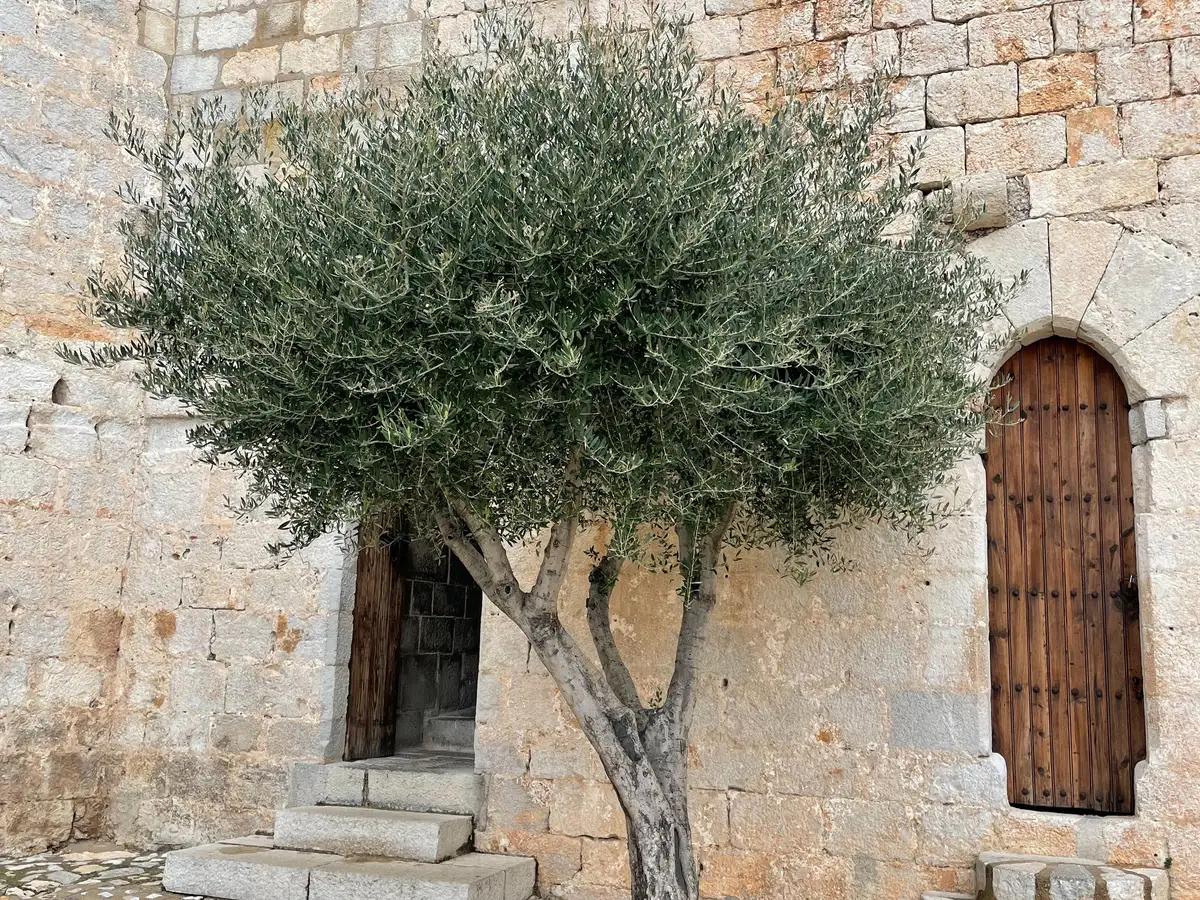
In the courtyard of Dragan's hotel in Herceg Novi grows an olive tree older than the building itself. Every February his father takes his shears and prunes it, branch by branch, the way his own father did. That's why the tree still bears fruit.
Last March, Dragan called us for the first time in three years.
"We used to be first on Google. Now we're not even on the second page. What happened?"
We open the site together. The homepage has a photo from 2022, showing the terrace before the renovation. The price list is from 2023. The footer says "© 2022." The contact form looks fine, but since the fall its messages have been landing in the spam folder, because the mail server was changed in the meantime. For five months nobody noticed that inquiries weren't arriving. On a phone, the page takes seven seconds to load.
Dragan listens, then says: "But we haven't touched anything."
Nothing happened. That's exactly what happened.
Someone touched the olive tree every year. Nobody touched the website.
"Because It Works"
When we ask owners why their site hasn't changed in years, the most common answer is short: "Because it works."
In 1988, psychologists William Samuelson and Richard Zeckhauser described a pattern they called status quo bias. People choose to keep things as they are, even when a change would clearly benefit them. The current state feels like a safe starting point, and any change feels like a risk.
A second pattern joins it. We feel the harm we cause by doing nothing less sharply than the harm we cause by making a decision. If we change the website and something goes wrong, the decision is to blame. If we leave it alone and it slowly slips, it seems to have happened by itself. Psychology calls this omission bias.
That's why habit has such a big advantage. It doesn't have to persuade anyone. It only has to exist.
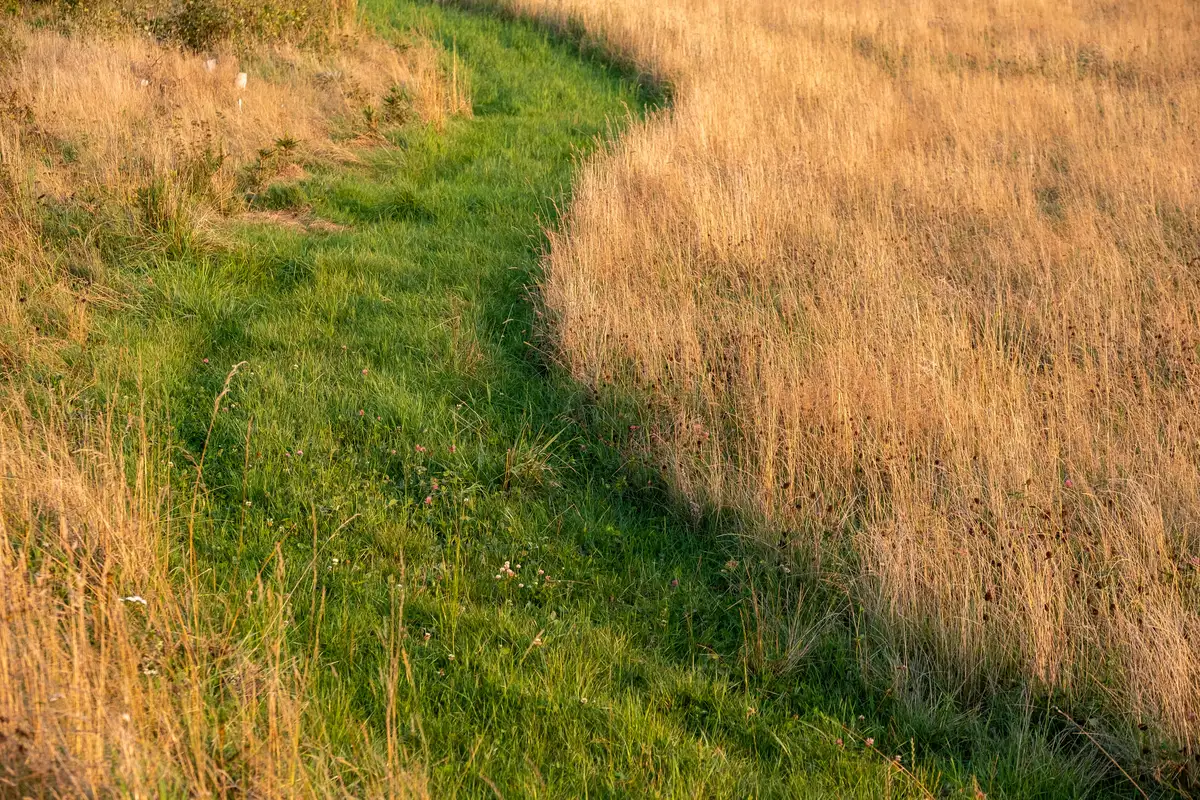
Look at any park. Next to the landscaped walkways there's always one worn trail through the grass, the one people actually use. Habit in business works the same way. Every month the site stays untouched makes the next month easier to skip.
What Changes While Your Website Stands Still
Dragan is right: he didn't touch anything. But the world around his website changed every single day.
Google. Google changes its ranking systems constantly, and it releases larger core updates a few times a year. Speed and mobile behavior have long been part of how quality is judged. A site that was excellent by the rules of 2022 is being judged by the rules of 2025.
Competition. While Dragan's site stood still, a hotel two streets away was publishing a new page every few weeks: a guide to Igalo, a story about Savina, a page for weddings. Every new page is one more door a guest can walk through from Google.
Technology. Every website runs on software with an expiration date. PHP versions, plugins and themes get security patches for a few years, then stop. The longer you wait, the wider the gap between your site and today's versions.
Content. Photos get old, prices change, staff leave, the terrace is renovated. A site that shows the past promises guests something that no longer exists.
People's expectations. Today's guest books from a phone, on a bus, in two minutes. They expect to see the price and open dates right away. What was good enough three years ago now looks dated.
The Greek philosopher Heraclitus said you can't step into the same river twice, because the water keeps flowing and is never the same. The market is that river. A website that stands still in moving water is actually going backward.
Why the Owner Doesn't See It
Dragan is a careful man. In his hotel he spots every scuff on a wall, and every February he knows it's time for the olive tree. But he stopped seeing his own website.
Psychology explains this with habituation. We quickly get used to whatever surrounds us every day, and it stops drawing our attention. The owner has seen his site a hundred times, so to him it always looks the same. A guest sees it for the first time, and sees everything: the old photo, the old price, the slow loading.
The second reason is the slow pace. A drop of a few visits a week isn't noticeable in any single month. You only see it when it adds up: after two or three years, usually in March, when the first bookings for the season arrive and there are half as many as before.
The olive tree has an advantage: the calendar reminds it. February comes, and the hand reaches for the shears on its own. A website has no February. So you have to give it one.
The Price of Forgetting
When Dragan finally calls, he usually expects a repair. Swap the photos, update the prices, "freshen it up a bit." The answer surprises him: a lot of it has to be redone.
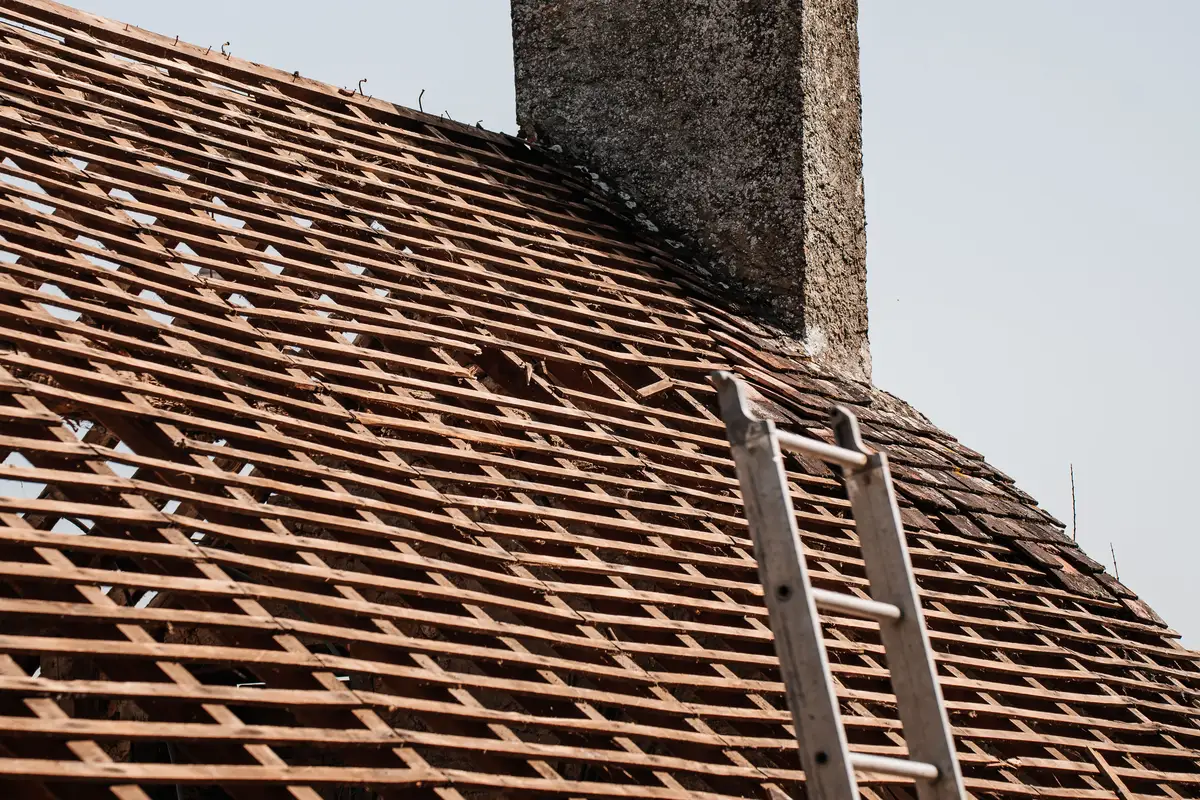
Anyone who has owned a house knows why. A roof that leaks for one season gets fixed in an afternoon: replace a few tiles. A roof that leaks for five seasons means rotten beams, a damp ceiling and new wiring. The water is the same. It just had more time.
A website works the same way. One skipped update is nothing. Thirty skipped updates mean part of the system can no longer be upgraded without the rest collapsing. Developers call this technical debt, and it grows like any other debt: quietly at first, then suddenly.
There's also SEO debt. Google rewards sites that are useful, current and constantly expanded. That trust takes years to build and years to spend. Once it's lost, getting it back takes months of patient work, not one move.
And finally, the debt of trust with people. A guest who sent an inquiry through the form and never got an answer books somewhere else next time. That loss doesn't show up in any statistic.
Olive growers know this too. An olive tree that goes unpruned for years doesn't die. It just stops bearing fruit. When someone finally remembers, it takes a hard cut back to the old wood and several years of patience before it gives a full harvest again. Same tree, but the job is many times bigger than if it had been pruned every February.
Kaizen: Small Steps, Constantly
Japanese business culture has a word for what Dragan's father does with the olive tree. Kaizen means constant, small improvement. Masaaki Imai brought it to the wider world with his 1986 book, and the best-known example is Toyota, where workers regularly suggest small changes to their part of the job.
The idea is simple. Big changes are scary, cost a lot and are easy to postpone. Small changes are easy, cheap and meet no resistance. And when they repeat, their sum is greater than any big leap.
Twenty-four centuries ago, Aristotle wrote that virtue comes from repeated acts. We become just by doing just things, brave by doing brave things. A brand is built the same way. It's what you do every week, not what you said on opening day.
Kaizen also solves the habit problem. Instead of fighting it, we build a new one. A small, regular step becomes a worn path, and after a year you walk it without thinking. Like the hand that reaches for the shears in February on its own.
How We Work
Every client has a different business, a different market and a different pace. A hotel in Herceg Novi, a rent-a-car company in Podgorica and a rafting agency don't need the same rhythm. That's why we build the plan together with the client, based on their goals, their season and their competition. What all the plans share is the principle: small, regular steps instead of big leaps.
- Constant and automatic: the technical side. On our servers, monitoring tools check around the clock that systems are running as they should: site availability, speed, updates, backups and contact forms. When something gets stuck, we find out before the guest does.
- Ongoing: content by plan. New pages, guides, stories and photos, as often as your goals and your market call for. For some, a few strong pages before the season are enough. Others need a new post every week. What matters is that content keeps growing and every new piece has a clear purpose.
- Regular: a review of search and results. Where we stand on Google, what people are searching for, where inquiries come from, what the competition is doing. Based on that, the plan for the next period gets new topics and priorities.
- Before every season: prices, offers and photos. Everything a guest sees must match what they'll find when they arrive.
- Once a year: the brand. Does the site still say who we are and why we exist? Do the tone, colors and promise still fit the work we do today?
Frequently Asked Questions
Why did we drop on Google if we didn't change anything?
Because of exactly that. Ranking on Google is a race where those ahead of you and those behind you are always moving.
Why can't the site just be fixed instead of rebuilt?
Sometimes it can, and we always check that first. But when the technical debt is large, fixing one part breaks another. At that point, a new foundation is cheaper than endless patching.
How often should a website be changed?
A little, and often, at a rhythm that fits your business. Something small all the time, and a review of the whole picture every year. With that rhythm, a full redesign becomes a rare decision you make when your business grows, not an emergency measure when the site gives out.
How do I know my website has started to fall behind?
Look at it through a guest's eyes, on a phone, away from the office. And go through the short list below.
Five Signs Your Website Is Quietly Aging
- The year in the footer isn't this year. It's a small thing, but guests notice it and wonder what else is out of date.
- The contact form hasn't been tested this month. Send yourself a message today.
- The photos show the place as it used to be. A renovated terrace deserves a new photo.
- The page takes more than three seconds to load on a phone. Every second of waiting is a guest giving up.
- The latest news on the site is from last year. To Google and to guests, that's a sign nothing is happening here.
February for Your Website
We rebuilt Dragan's website, but not for the sake of a new website. For the sake of a new rhythm. Today it regularly gets a short report: what was done, what changed in search and what we suggest next. It takes him ten minutes to read, usually over coffee, under the olive tree.
This year, in March, the first bookings for the season came in through the contact form. They all landed in the right folder.
If you recognized yourself in this article, your first step can be a small one. Send us your website address through the contact page. We'll look at it through a guest's eyes and tell you the three things we'd change first.