The end of April in Podgorica. Marko sits in a café above the Morača, phone in hand. The river below him is big, muddy and fast. It sounds as if it is hurrying somewhere.
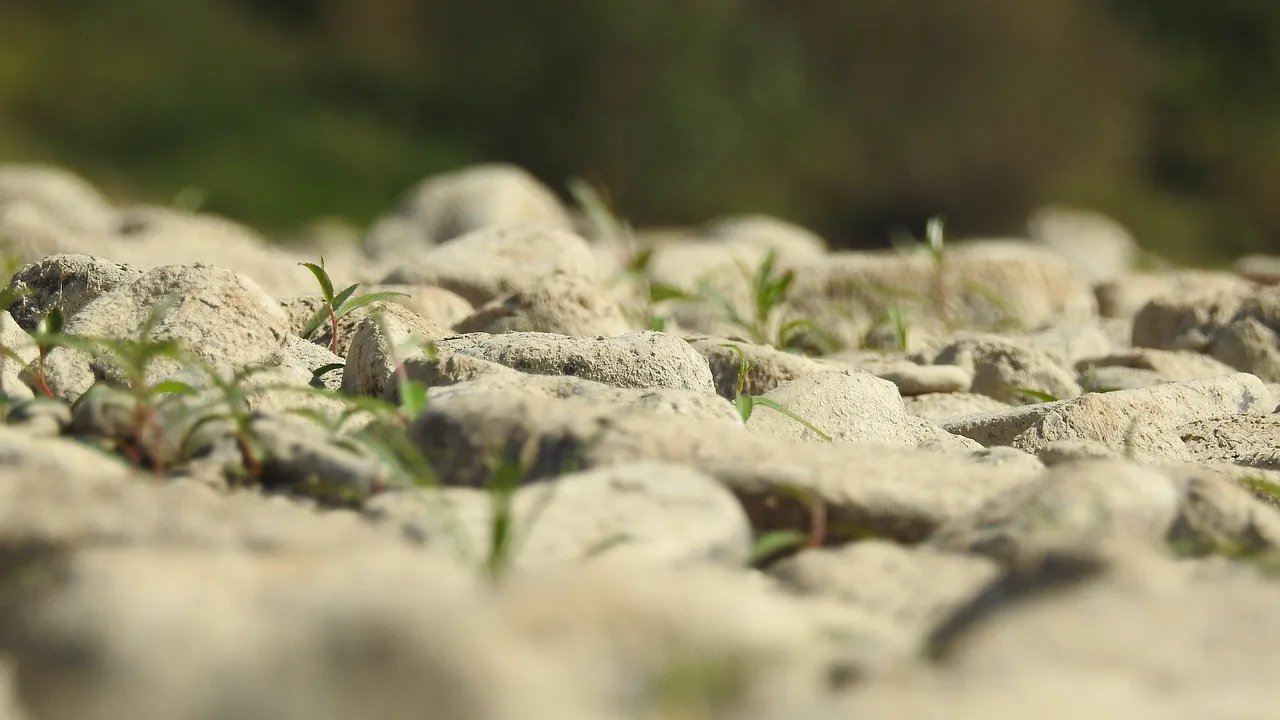
In August, from the same spot, he saw a different picture: dry white stones and a thin stream of water. The riverbed is the same, the water is not. Marko has known this all his life and has never thought about it.
Now he opens the website of his rent-a-car company. It was built a few years ago and looks exactly as it did then. The first photo shows a car Marko sold two years ago. The price list is old, and under "contact" is the phone number of an employee who has since moved to another company. Last week a guest called and asked about that very car in the picture.

What Heraclitus actually said
The Greek philosopher Heraclitus, who lived more than two thousand years ago, left us a sentence we all know: you cannot step into the same river twice. It has reached us in fragments, and Plato also quotes it in the dialogue "Cratylus". The exact words differ from one translation to another, but the thought is the same.
The water that wet your feet the first time has already gone. The river is still there, but it is a different one. This is how Heraclitus spoke about the whole world: everything flows, nothing stands still.
Your market is that kind of river. Guests, prices, the phones people use to look for you, the questions they ask, all of it changes. The only question is whether your website changes too.
The website on the bank
Many owners see a website as a monument. It is built once, unveiled, everything is photographed, and then it stands. While it is new, it looks good. But around it the water keeps moving on.
A website is not a monument but a river, and it lives only as long as something new flows through it.
A guest who lands on an old website today does not see a monument. They see a place where it is unclear who is there and whether anyone is there at all. That is not a verdict on your work. It is an impression of a few seconds, but it decides whether the guest will call.
Where you can see the water has gone
Prices and terms
Last season's price list is the first thing that confuses a guest. They either think it is cheaper than it is and end up disappointed, or they think it is more expensive and go to someone else.
Photos
A car, an apartment or a terrace that no longer exists creates a promise you cannot keep. The guest arrives, and what they saw is not there. The first impression is already spoiled.
Contact and answers
If a number has changed or the working hours do not match the real ones, the guest reports it to no one. They simply leave. And the questions guests keep asking you by phone, about the deposit, about crossing the border, about children in the car, are often nowhere on the website.
The riverbed stays
Heraclitus never suggests starting everything over. The Morača changes every year, and it remains the Morača. The riverbed is what holds the water.
In a brand, the riverbed is the name, the way you speak, the values and the promise to the guest. That is not touched every month. The water is everything else: prices, photos, offers, answers. That changes often, in small steps.

That is why looking after a website does not have to be a big expense or a big project. A little, regularly and in measure is enough. A river is not renewed once in five years, but a little every day.
Try starting this week
- Try opening your website as a stranger. On your phone, from the side, with a glass of water next to you. Walk the guest's path from the first page to the call or the booking, and write down everything that no longer holds.
- Fix what guests actually use. Prices, working hours, phone number, terms. It is a job for one afternoon.
- Replace three photos. Not all of them, just the three a guest sees first. A phone and good morning light are enough.
- Write down guests' questions. Look through the messages from the last month. Put the answers to the three questions that come up most often on the website.
- Set the next date. The first day of the month, fifteen minutes, a calendar reminder on your phone. That is how a website stays alive without great effort.
The Morača in August
The next day Marko sat down with his list. He deleted the sold car, corrected the phone number and added three photos he took in front of the office. He also put on the website the answer to the question guests ask him most often.
When he sits above the dry riverbed again in August, the website will be like the river below him: different from April, and still his.