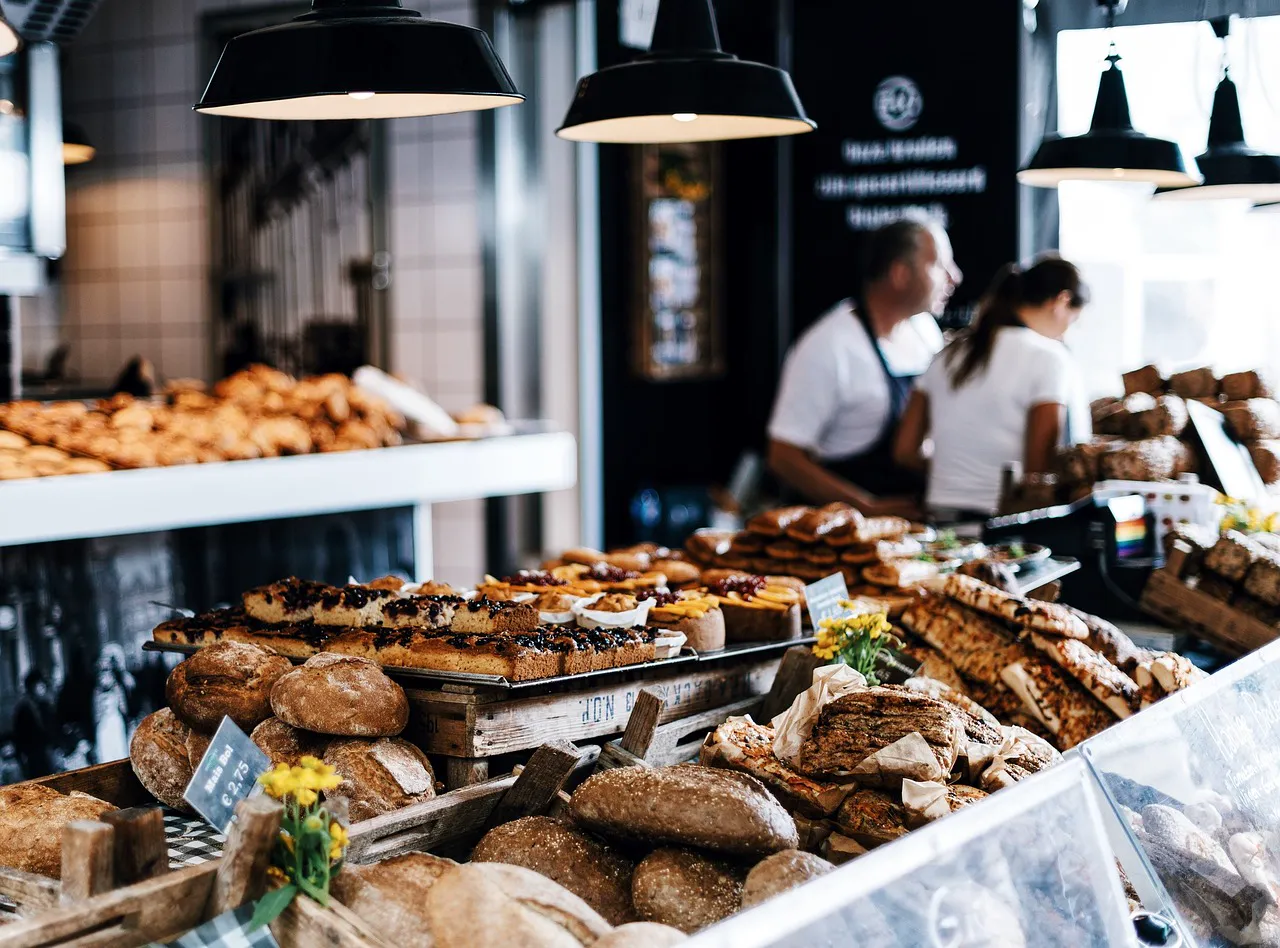
Quarter past six in the morning, Nikšić. Dragan walks past the bakery on the corner, as he has every working day for twelve years. The green sign, the white letters, the same name above the door. Through the glass he can see the same counter and the same paper bag with the mark pressed into it.
Across the street, a new bakery opened last winter. A shiny sign, modern lettering, a new color every month. Dragan stopped in once and bought a kifla. It was good. The next day he crossed back to the green side of the street.
If you ask him why, he shrugs: "Well, that's where I buy."
We love the familiar before we can explain why.
What Zajonc noticed
In 1968 the psychologist Robert Zajonc described what we now call the mere exposure effect. Put simply, the more often we see something, the more familiar and pleasant it becomes to us. We don't need a special reason. We don't even need to notice it happening.
One word matters here: neutral. This isn't about a loud advertisement trying to persuade us. It's about quiet, ordinary repetition. The same mark, the same color, the same voice.
Dragan and the green sign
Dragan never decided to love the green sign. He didn't analyze it or compare it with other signs. For a thousand mornings it simply stood in the same place, quietly doing its job.
When the new bakery arrived, it didn't have that advantage. It could make a kifla just as good. But it wasn't familiar, and the familiar is easier. We don't have to judge it again, we don't have to ask ourselves whether it's all right. We know.
Novelty has a price
Small businesses often believe they need something new. A new logo, a new color, a new campaign for the new season. It feels a little like progress.
But every big change sets the counter back to zero. A customer who was just beginning to recognize your mark has to start all over again. Large companies can afford that loss. An apartment with four rooms or a rent-a-car with eight vehicles usually can't.
That is why, in a small business, consistency is often cheaper and stronger than novelty.
Where repetition is built in your work
Rent-a-car
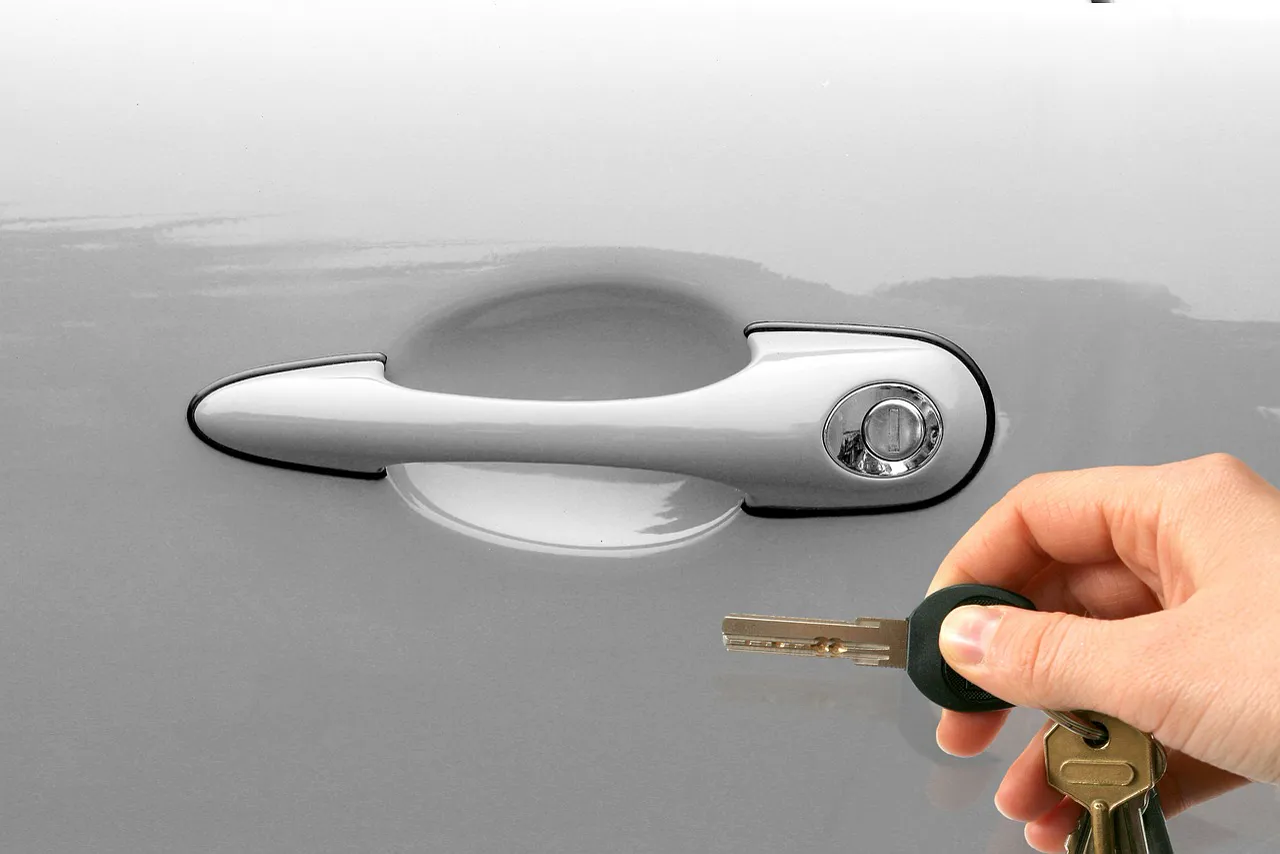
A guest at the desk receives a key with a tag in your color. The same mark is on the contract, on the sticker in the car and on the message they received before arriving. When they need a ride again a year later, that color is already familiar.
Apartment
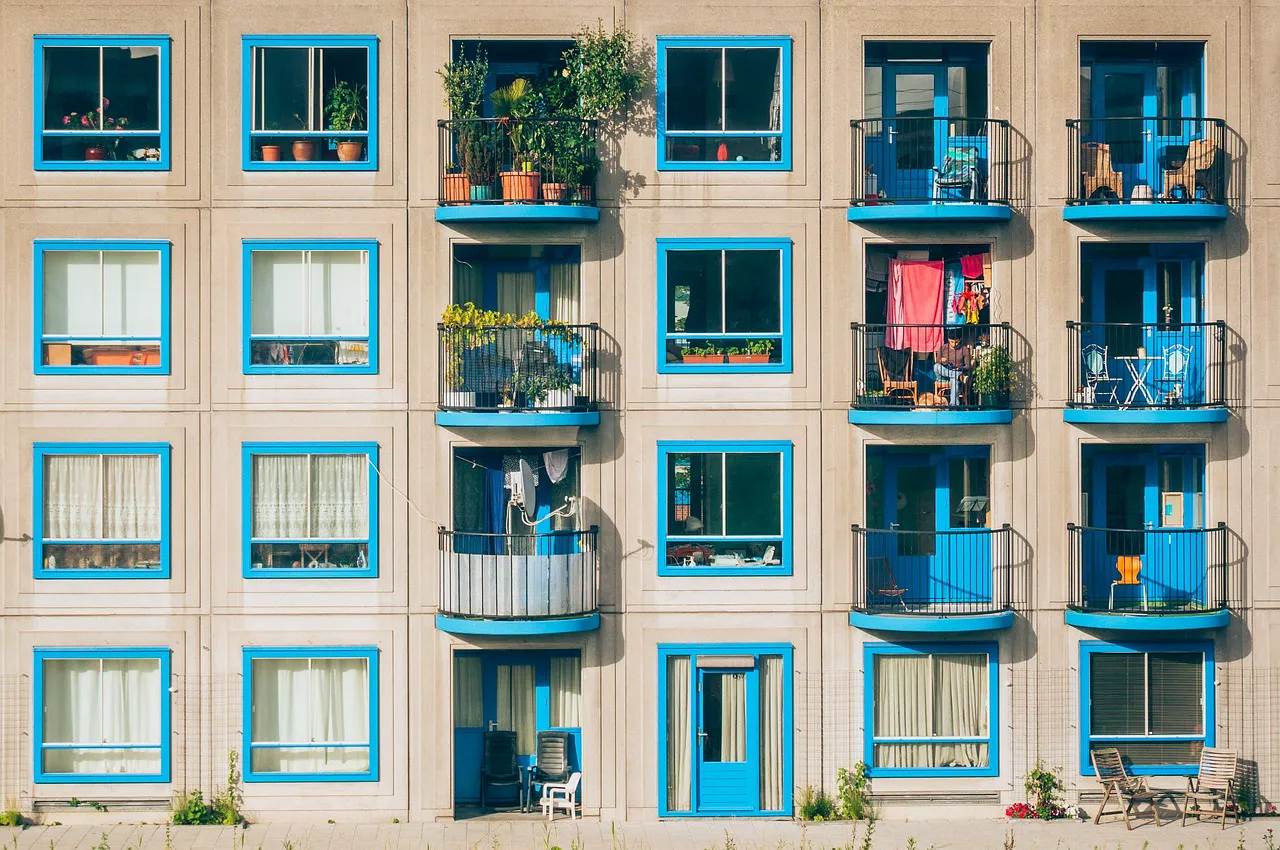
The photos on the website share the same style, the same light and the same order. The message to a guest has the same tone, whether it arrives in February or in August. The guest doesn't know it's a strategy. They only know that this place somehow feels close.
Social media posts
One post a week, in the same look, over two years, does more than a sudden month with ten different ideas. Not because it's better, but because it is seen enough times to become familiar.
Repetition in measure
Consistency is not the same as stiffness. You can improve the website, add new photos, introduce a new service. What you don't change every season is the recognizable core: colors, mark, tone.
And one honest note. The effect applies to neutral seeing. A brand that is late with replies or leaves a guest without information won't be repaired by being seen more often. Repetition builds familiarity. The service has to be built by someone else, and that someone is you.
Stay the same, on purpose
- Write down what your core is. Two colors, one font, one mark, one tone of voice. One page that everyone who works for you can see.
- Use it everywhere. Website, message, contract, uniform, bag, sticker. If something is different, let there be a reason, not an accident.
- Refresh, don't change. New photos, a new offer, better copy. The same frame.
- Be patient. Familiarity doesn't appear in a month. Count in seasons, not in weeks.
- Resist boredom. You get bored before your customer does. You see your mark every day, and they see it only now and then.
The green sign
The woman who runs Dragan's bakery has a daughter studying design, who says it's time for a change. She has a right to think so, because the old sign has faded.
The agreement was simple. The sign was repainted in the same green, and the letters stayed the same. Only the bag changed, and now it shows the address too. The next morning Dragan walked past the sign and didn't notice it was newer. He just went in.