Context
Flarent manages apartments across three locations in Vienna, Währinger Gürtel, Hernalser Gürtel, and Beingasse. Occupancy was stable thanks to portals, but the operational side was becoming increasingly demanding:
- bookings arrive from multiple sources (Booking, Airbnb…)
- guest information and dates scattered across messages
- price changes done manually in multiple places
- website functions as a "business card," not part of the system
The client wanted to grow, but not at the cost of even greater operational chaos.
What wasn't working (problem)
- bookings without central control → risk of overlaps
- manual price and availability updates
- parallel calendar maintenance → constant "is it available?" questions
- website not involved in the process and driving no direct bookings
- owner has no unified view of occupancy or performance
Growing the number of apartments would mean proportionally more manual work, sustainable only in the short term.
What we did (solution)
1. Calendar and booking centralization
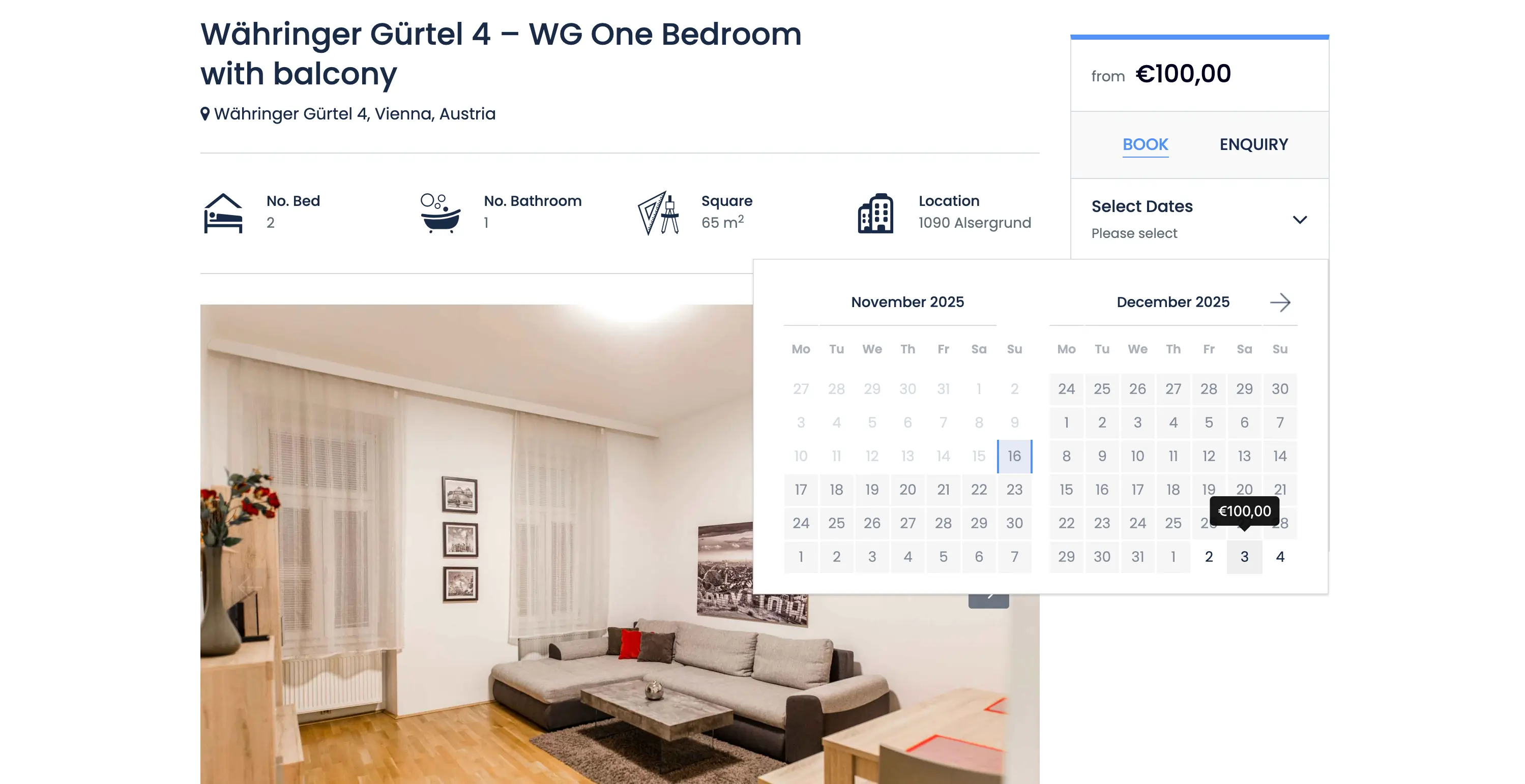
- integration with existing channel manager
- price and availability sync across all portals
- creating one calendar as the single source of truth
- faster and more accurate guest responses
Result: no tabs, duplicate checks, or manual entries.
2. New web layer focused on direct bookings
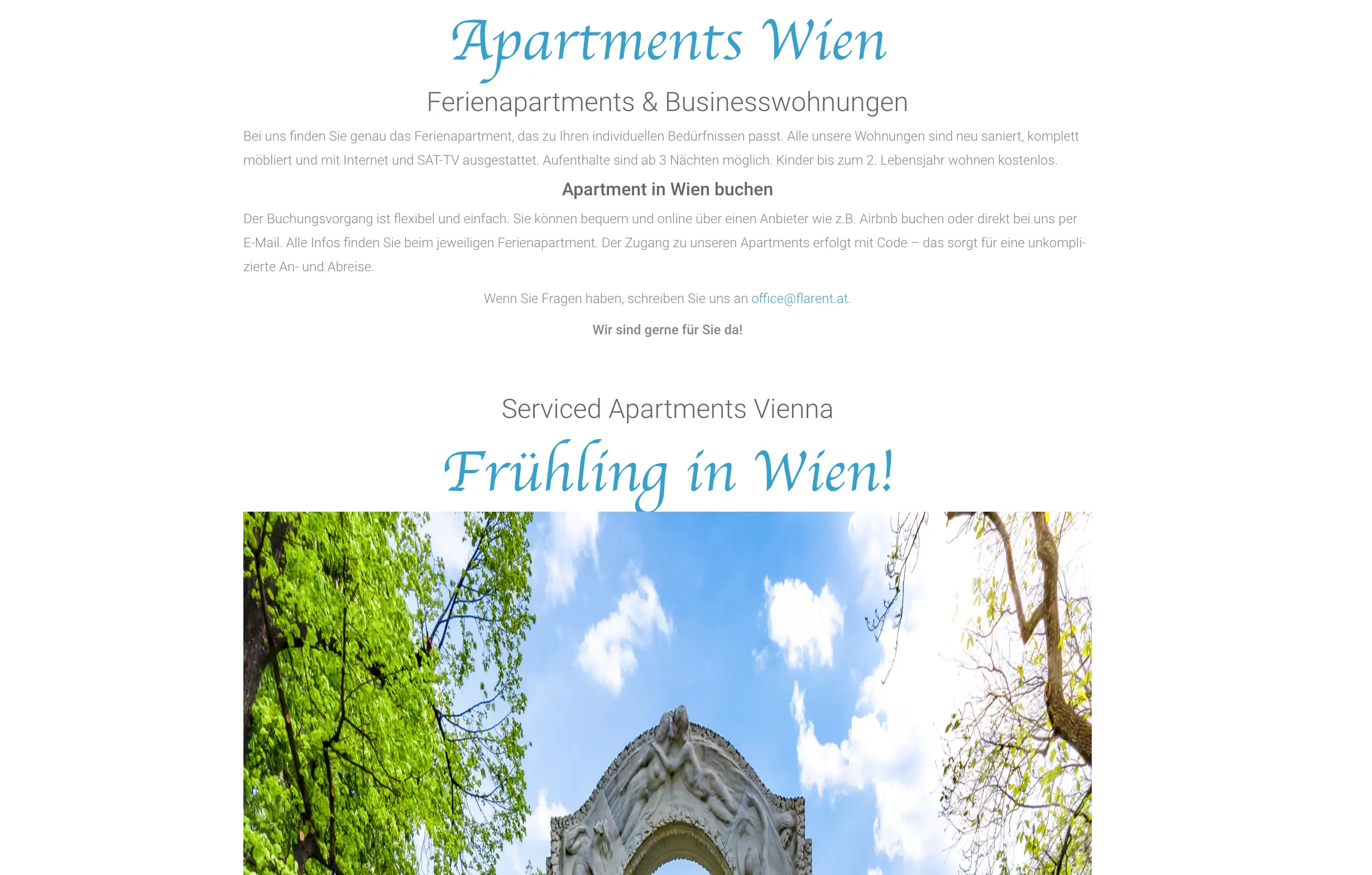
Before our work, Flarent used an old, generic WordPress website that only served as a basic "business card." It wasn't connected to any part of the operational system, had no apartment structure, generated no direct bookings, and didn't contribute to the business.
This is what the old website looked like:
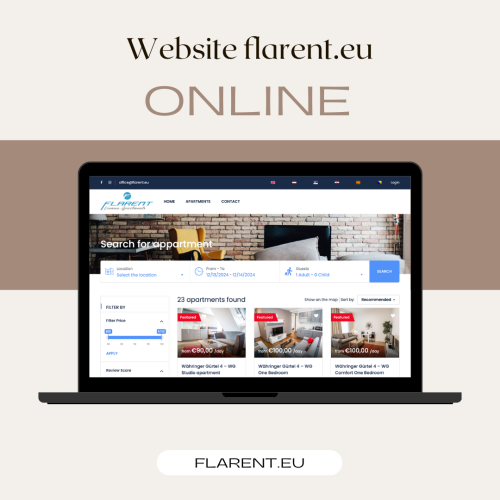
We built a completely new, custom web layer that's part of the central digital engine and works together with the channel manager and booking system.
The web evolved from a "business card" into a functional part of the operational system:
- detailed apartment pages
- optimized galleries and WebP images
- direct inquiries and bookings in the same workflow
- UX design driven by conversions
Website now contributes, instead of standing aside.
3. Less operational work, more control
- automated notifications
- better apartment preparation flow
- ability to scale to new locations
- preparation for advanced AI and n8n automation
Owner now works with the system, not against it.
What changed (results)
- 0 booking overlaps since launch
- around 10 hours per month less manual work (calendar + portals)
- real-time availability overview by apartment and location
- faster guest communication and greater data accuracy
Greatest change: finally having a sense of control over the business.
What's now possible
- adding new apartments without creating chaos
- more direct bookings
- clear tracking of each channel's performance
- stable foundation for SEO and Ads campaigns
- room for further automation and AI development
Additional: SEO, multilingual support, and Google Search Ads
To ensure the system drives more direct bookings, we also optimized visibility and traffic.
1. SEO optimization (on-page and technical)
- optimized titles, meta descriptions, and URL structure
- schema markup for apartments
- accelerated image loading (WebP)
- content tailored to actual user queries
- local SEO for Vienna
Effect: increased direct organic traffic and better visibility.
2. Web platform in 6 languages
The system and public layer are available in:
- German (DE)
- English (EN)
- Serbian / Montenegrin (ME)
- Bosnian (BA)
- Croatian (HR)
- Macedonian (MK)
Greater relevance → higher booking probability.
3. Google Search Ads – direct bookings
- campaigns for Balkan countries
- segmentation by location and apartment type
- negative keywords to eliminate irrelevant spend
- landing page optimization and conversion tracking
Goal: reduce dependence on portals and increase direct bookings.
The system is now the foundation for long-term growth, not an obstacle.
If you want a similar modernization of identity or web platform, contact us and we'll build a solution that precisely communicates your values.